
Plots in Las Palmas - buy, sell or rent easily

Find plots by category in Las Palmas (Province)


Plots for sale with most wanted features
- Urban 28
- Developable 12
- Non developable 15


Latest publications of land and houses for sale in Las Palmas (Province)
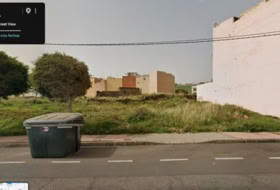


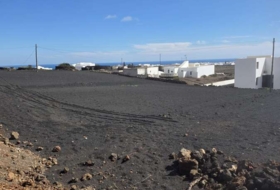
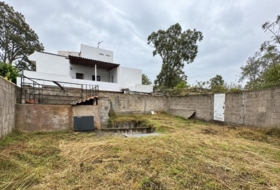


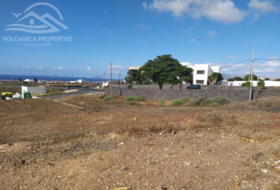
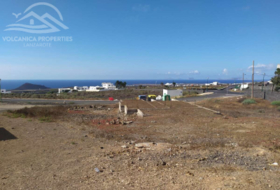
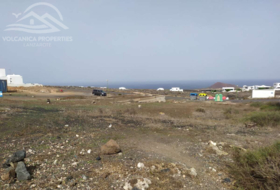
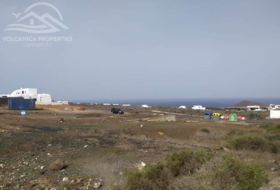
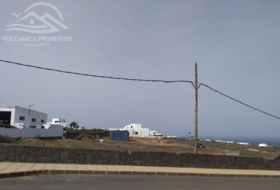
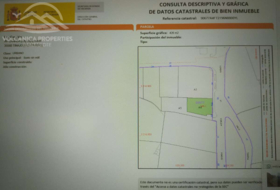
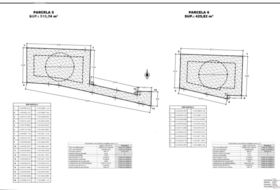


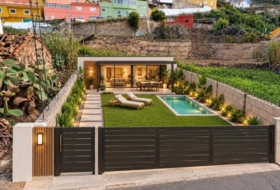
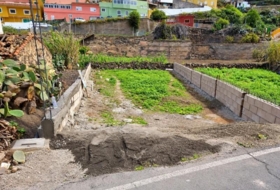
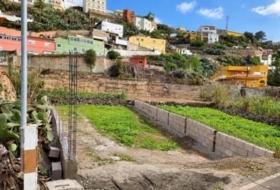
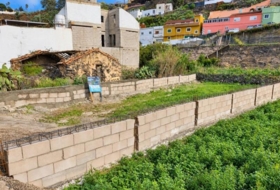
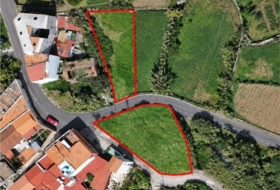
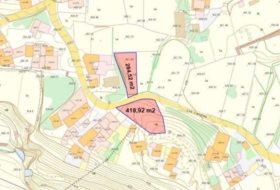
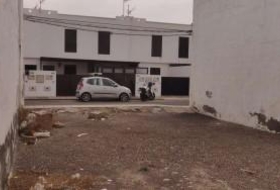
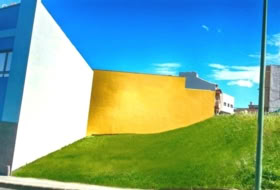

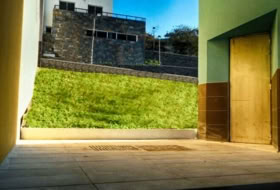
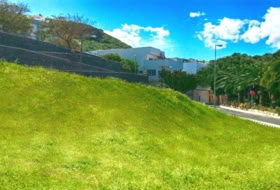











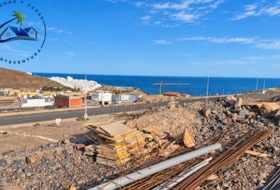
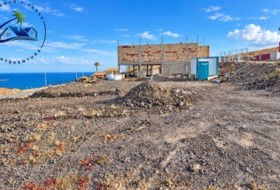
Where to buy land in Las Palmas
The cheapest land in the province of Las Palmas is found in places such as Tuineje, Firgas, Teguise and Tecén. This is due to the greater availability of rustic properties for sale in these areas.
The average price of urban land in Las Palmas is one of the highest in the country. Developable plots are concentrated in the main towns of the province, so they are in a similar situation to urban land. The most expensive land for sale is in Ingenio, Arrecife, Agüimes, Telde and Las Palmas de Gran Canaria.
The Canary Islands, dependent on the outside world
The Canary Islands as a whole depend on imports to supply their population, a situation that began with the tourism boom in the mid-20th century. From then on, the islands' economy shifted towards services. Today, their GDP depends almost entirely on this sector (services and the public sector), followed a long way behind by construction, industry and agriculture.
One of the advantages of the Canary Islands for farming is their natural and climatic conditions (microclimates), which allow a variety of quality products to be grown all year round.
The province of Las Palmas, with an area of 4,066 km² and more than 1,100,000 inhabitants, is the most populated in the Canary Islands. It is made up of the eastern islands of Gran Canaria, Fuerteventura and Lanzarote, all of them declared Biosphere Reserves by UNESCO.
The capital is Las Palmas de Gran Canaria (on the island of Gran Canaria), the most populated city in the province.
Gran Canaria is committed to sustainability
The island is known for its biodiversity and nature. Located in the centre of the Canary archipelago, it has an area of 1,560 km², making it the third largest island. As elsewhere, its economy is based on tourism and related services, although there are efforts to revive farming in order to become self-sufficient.
Tourism has led to the urbanisation of the largest and most visited towns. The urban areas of the capital's metropolitan area are the most densely populated and concentrate services, industry and trade. There, the value of residential and developable land is high because of its scarcity and strong demand. The other towns are scattered across quieter, more rural areas that complement tourism with nature-related initiatives.
The primary sector is fighting for survival
The primary sector plays a minor role in the island's economy, contributing little more than 1% of GDP. It has been greatly weakened (by people abandoning farming, competition from stronger markets, the prices of imported products and population growth), and efforts are being made to revive it by promoting the cultivation and consumption of local products, with the aim of sustainable production that provides food for the island's self-sufficiency.
The island's agricultural area has remained stable in recent years (around 20% of the territory), but the cultivated area has fallen (by more than 1,500 hectares) and is now smaller than the uncultivated area.
The authorities support the sector through the experimental farm, the analysis laboratory and the improvement of rural infrastructure.
Today, the main crops are bananas and tomatoes. Fruit, vegetables and potatoes are also grown, as well as flowers and plants, an activity that is booming on the island.
Livestock numbers have fallen in recent years. They include cattle, goats, sheep, pigs, poultry and rabbits. Milk production stands out, followed by meat, hen's eggs and honey.
The island's natural resources
The island's wooded area has shrunk over time, but its recovery, both natural and through reforestation, has produced around 13,000 hectares of Canary pine forest. There are also palm groves of Canary Island and date palms. Although scrub predominates (broom, cane and bramble thickets), there are also areas with laurel forest and dragon trees.
The island's climate is ideal for harnessing natural energy from the sun, wind and sea. Renewable energy harnesses the sun and wind, and desalination plants turn seawater into drinking water for people and agriculture. Wind power plays a major role, for example in Arinaga, one of the main wind farm sites in the Canary Islands.
In Fuerteventura, rural land is waiting for you
Fuerteventura covers more than 165,000 hectares and is the second largest island. Its climate is subtropical and arid, with little rainfall and an average annual temperature of 20°C.
As on the other islands, tourism drives the economy and, as on neighbouring Lanzarote, it is developed in a sustainable way.
There are several types of land on the island. Residential areas are grouped around the towns, where urban and developable land is found. Rustic land is classified according to its use, such as rustic land of predominant natural value or concentrated rural settlements, which cover a large part of the island. Some coastal areas have the rustic land of highest natural value; the centre has land suitable for production; and other scattered areas have ordinary rustic land.
Promoting agricultural use of land
The farming system covers more than 9,000 hectares: more than 1,000 are cultivated, more than 7,000 are uncultivated and the rest are pasture (a residual amount). The remaining land covers more than 150,000 hectares.
The island council (cabildo) has set up a farmland bank to make it easier to rent or buy and sell. The aim is to increase its value and stop the loss of usable agricultural land, promoting the agricultural use of the soil.
Most crops are rain-fed, due to the dry climate with little rainfall and the arid soil, although there is also some irrigated farming. To make the most of natural water resources, farmers build traditional water-harvesting structures (gavias, nateros and terraces) and animal-driven waterwheels to irrigate their fields.
The most fertile valleys are those of Betancuria, Santa Inés, La Oliva, Antigua, Tetir, Río de Palmas, Pájara and Tuineje.
Crops on the island include pineapple, olives, vines, cereals, pulses, fruit trees, tomatoes, potatoes and bananas. There is also pasture land, as well as some vegetables typical of these latitudes and ornamental plants.
Vegetable gardens occupy the largest area, as they include fallow land, followed by fruit trees, vines and tomatoes.
As for livestock, goats stand out. In recent years their facilities and production have improved considerably, especially for Majorero cheese, a high-quality cheese with international prestige.
Lanzarote, the sustainable island
With an area of 845.94 km², it is the fourth largest island in the Canary archipelago.
Its climate is mild, dry and sunny almost all year round, with an average temperature of 21°C.
It is a sustainable tourist destination, as it has developed while respecting its environment.
When the first tourists arrived, the island installed the first water desalination plant in Europe. Wind power was also adapted to the island. In fact, it was one of the first places in Spain to be declared a Biosphere Reserve in its entirety.
Among its volcanic landscapes, it is surprising to find vineyards. In La Geria, farmers have adapted agriculture to the local climate and geology, using volcanic rock and stone walls to create vineyards that produce high-quality wines under the internationally recognised Lanzarote Designation of Origin, known for its volcanic Malvasía.
Other crops on the island include fig trees, mulberries and palm trees. Its fruit and vegetables include chard, aloe, peas, sweet potatoes, courgettes, pumpkins, onions, asparagus, strawberries, chickpeas, lettuce, lentils, melons, maize, potatoes, papayas, pineapples, bananas, watermelons and tomatoes.
Its main livestock products are goat, pork, rabbit, lamb and beef, hen's eggs and cheese.
In conclusion, the province of Las Palmas, which comprises these three islands, shows both differences and similarities. Thanks to their climate and volcanic soils, their crops are similar, and their landscapes attract many tourists throughout the year. Each island has its own character, but all of them are committed to respecting the environment and what it means for the islands as a whole.


